
EQUALITYHUB

OURMISSION
The Equality Hub serves as a community that fosters larger-scale impact by spreading awareness and encouraging the development of new skills among youth. Its mission is to building bridges and breaking barriers, creating an all-inclusive space that treats and celebrates all individuals as equals. The Hub empowers young people to lead initiatives that educate others and inspire respect for humanity as a whole by encouraging open dialogue and taking action towards equity across all areas of diversity including race, gender, identity, and socioeconomic issues/events/controversies at the global, regional, and local levels.
What we do
Stay updated for our webinar series discussing AI Bias, Refugee rights, Education, and Menstrual Stigma and keep and eye out for our blogs that highlight our weekly educational moments!
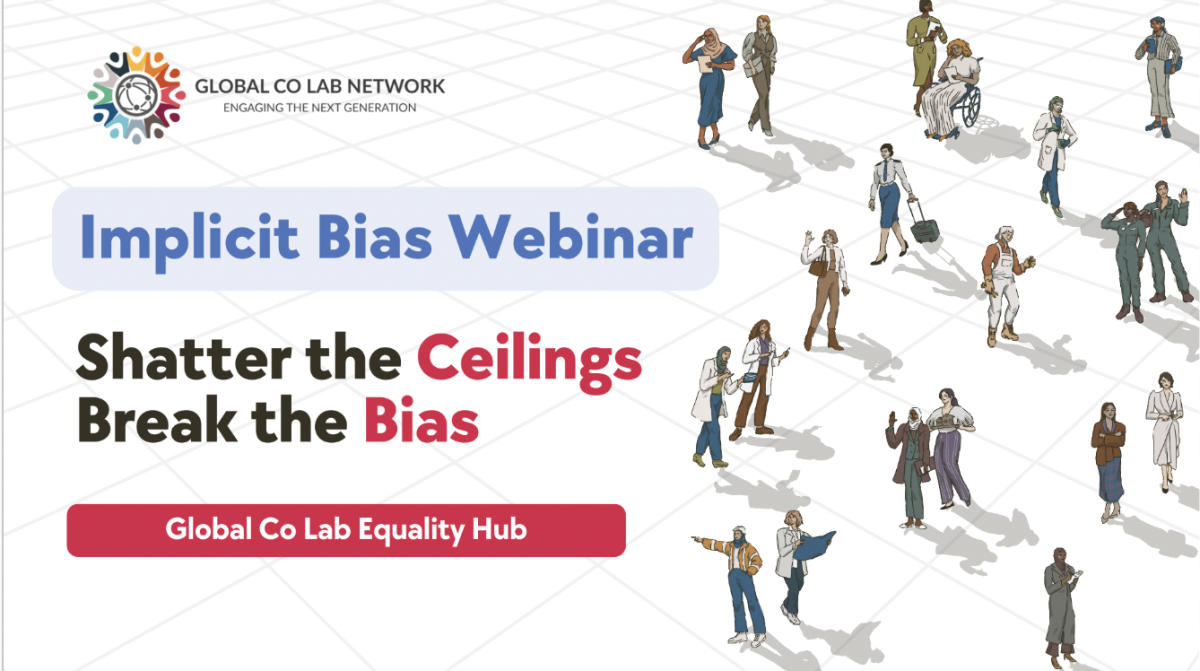
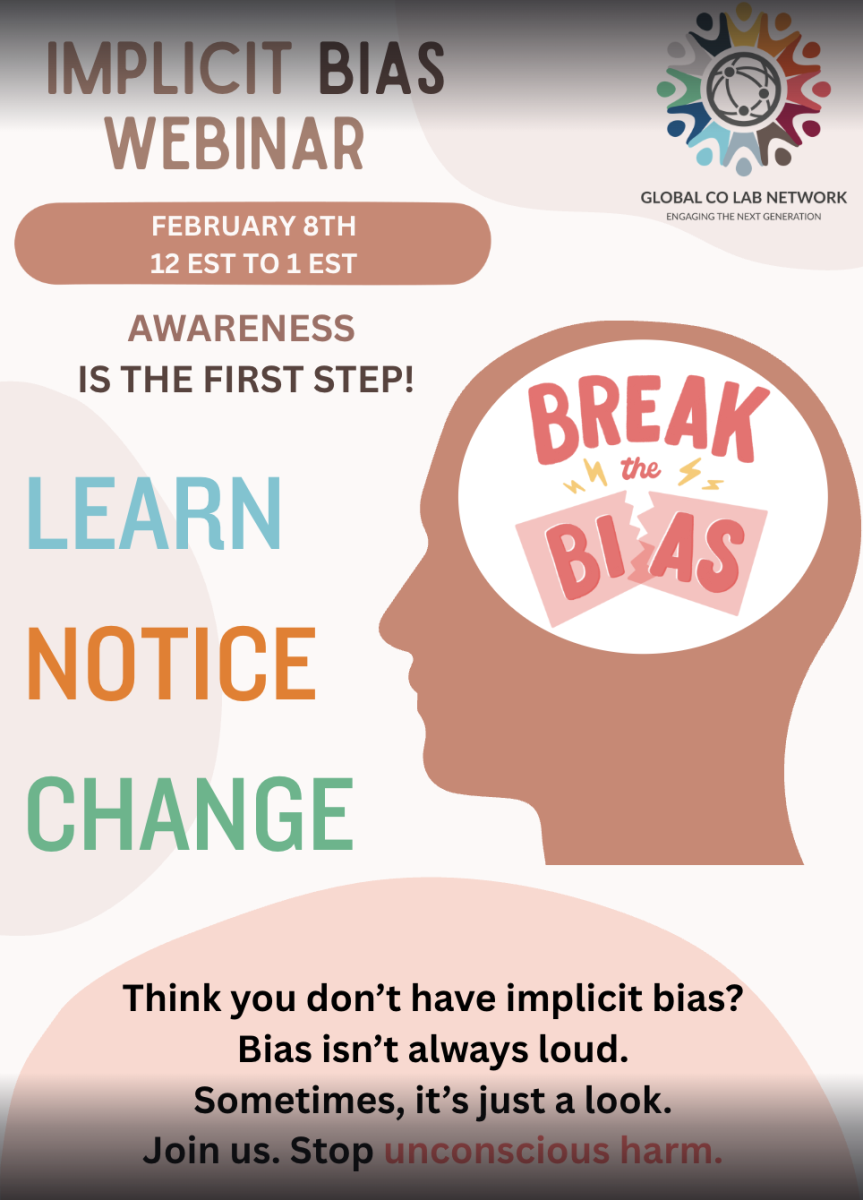
We all have biases even if we don’t get to notice, and in our the Implicit Bias Webinar, we used well structured and researched techniques to present for a global audience how to shift perspectives to mitigate biases.
Our podcast by teens for teens where we discuss a variety of issues from Child Marriage to Femicides. With guest speakers, researched overviews, and thoughtful conversations, the podcast is an engaging way to learn about new issues!
The youth inequality tracker is an interactive map where teens are able to report problems they see in their communities and connect to make solutions. Using AI based tools, we learned how to ethically and responsibly use new technology to promote the SDGS.

Racial Justice Art Challenge Video
An art challenge created to raise awareness and bring light to injustices through music, poetry and digital art.
Equality Hub Playlist
Our Hub created a shared playlist showcasing what equality sounds like around the world.
Leadership

Vickie Crockett

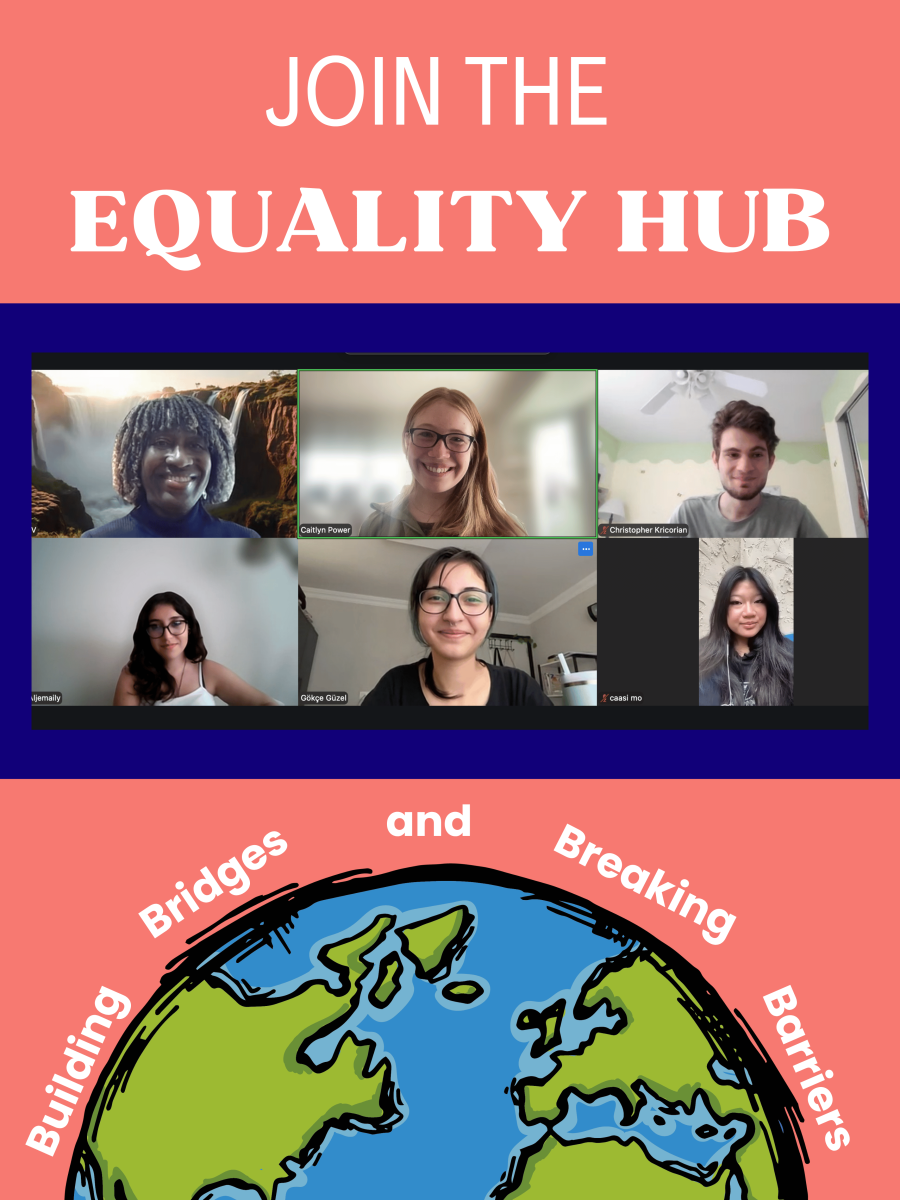
Caitlyn Power

Gökçe Nur Güzel

Caasi Mo

Dila Aljemaily
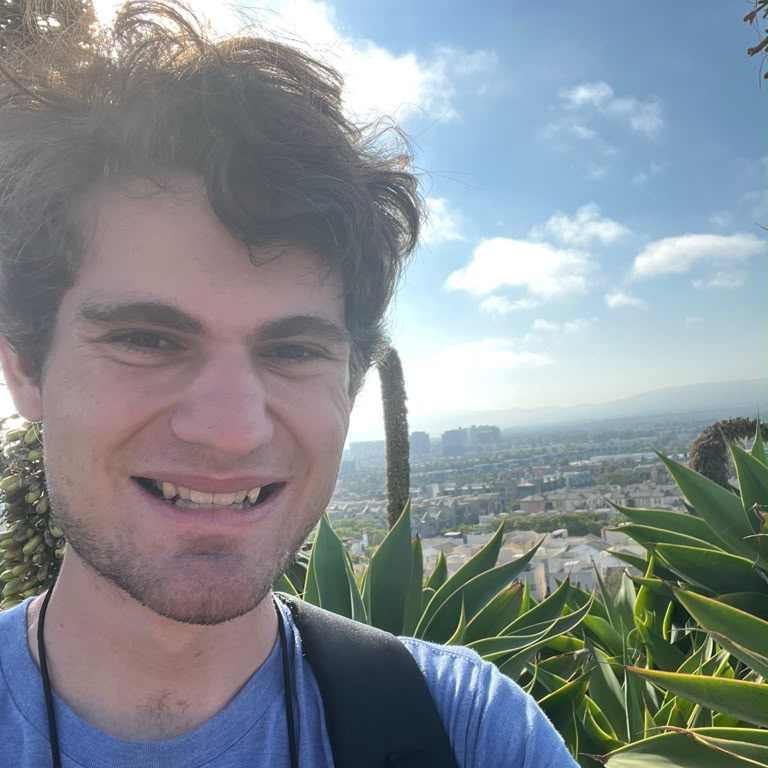
Christopher Kricorian
HOW TOJOIN US
Join Us to hear about our upcoming projects and our community-based initiatives. Register here for more information and to schedule an online orientation session with us!
Check out our socials!
Click below to see updates and keep up with our hub!
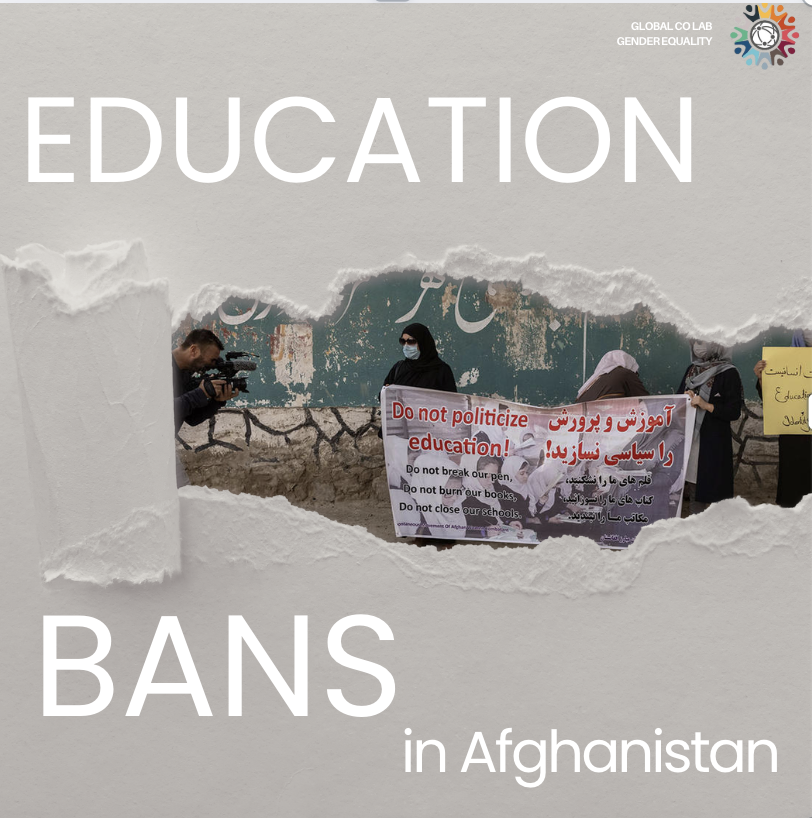
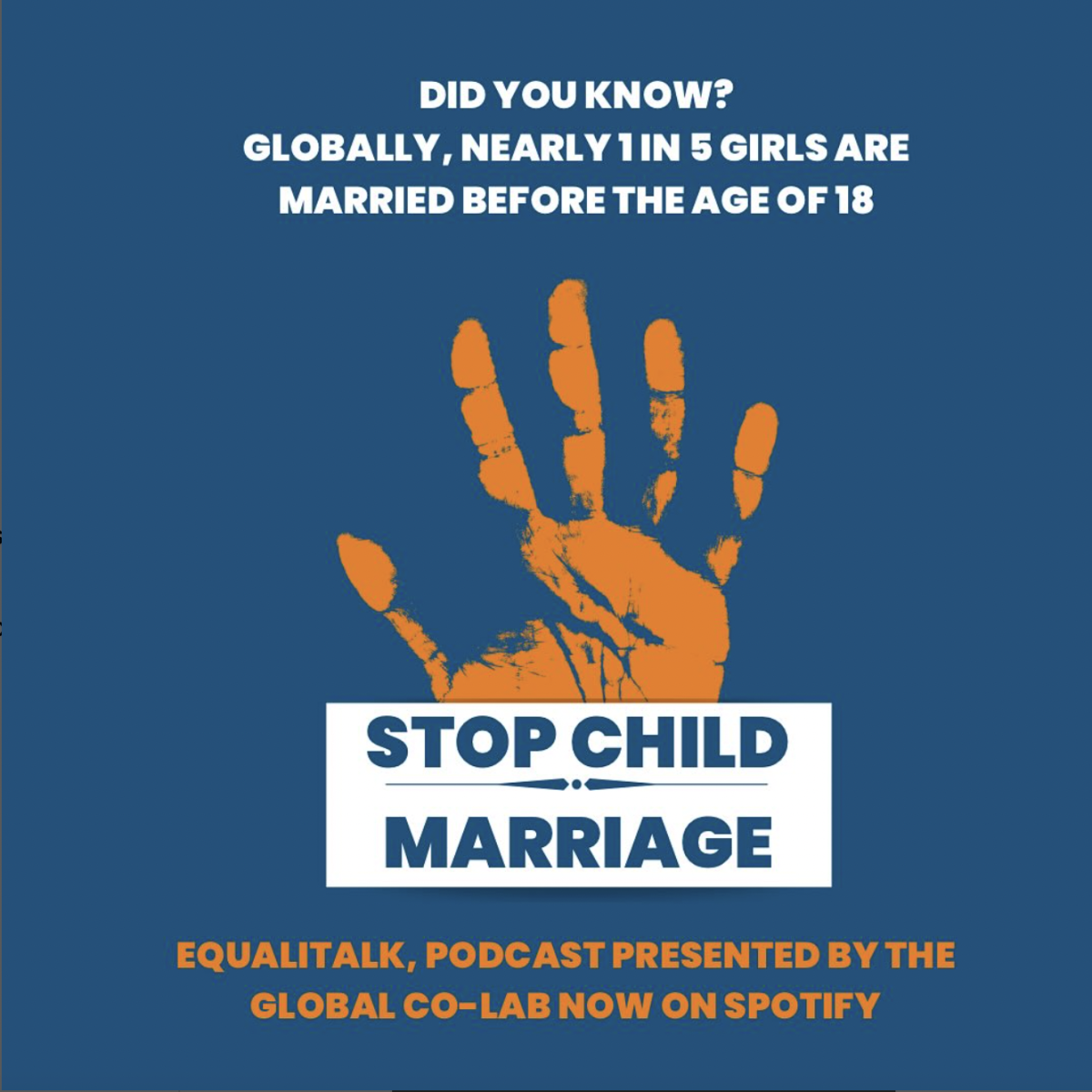
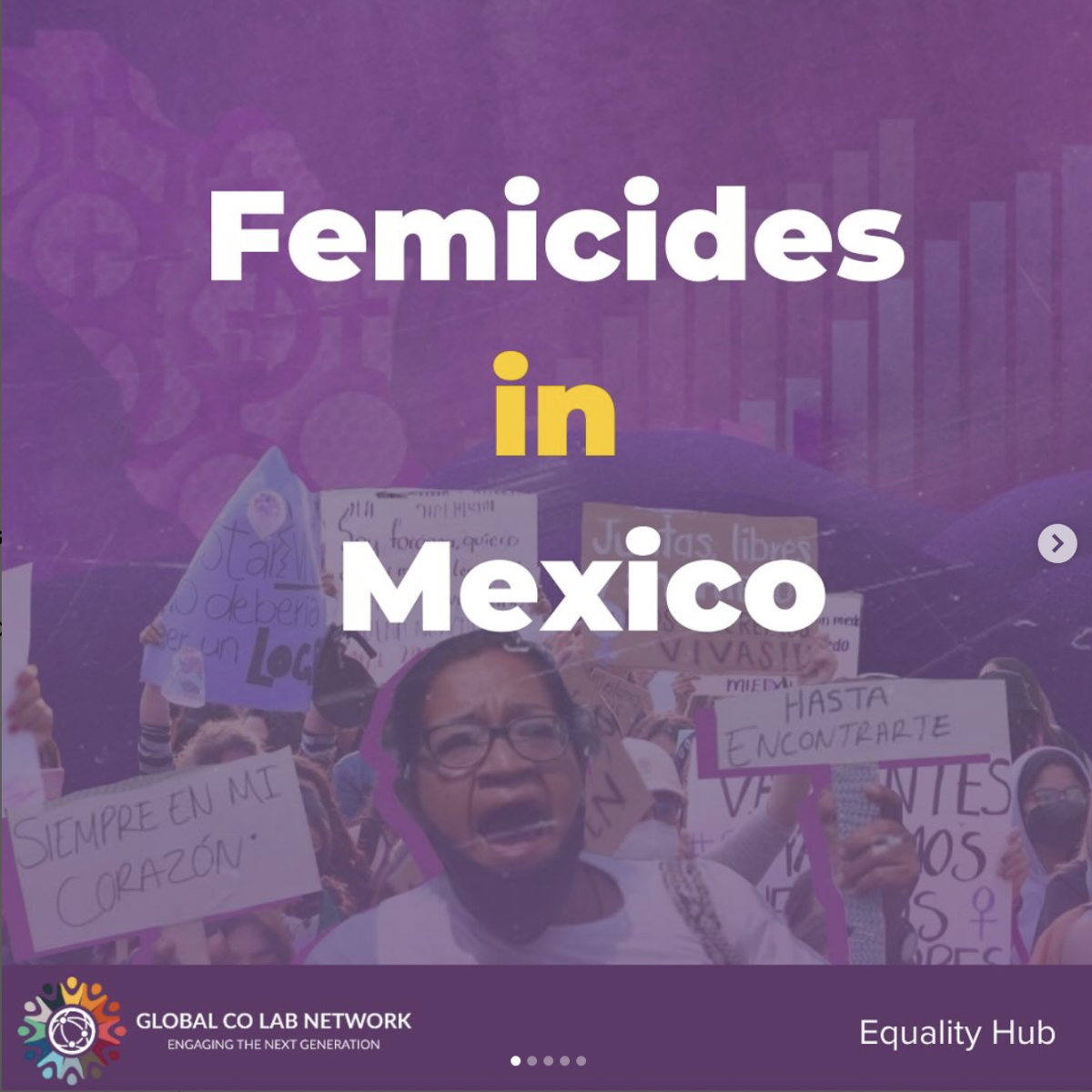
Take Action
- Globally, 750 million women and girls were married before the age of 18 and at least 200 million women and girls in 30 countries have undergone FGM.
- The rates of girls between 15-19 who are subjected to FGM (female genital mutilation) in the 30 countries where the practice is concentrated have dropped from 1 in 2 girls in 2000 to 1 in 3 girls by 2017.
- In 18 countries, husbands can legally prevent their wives from working; in 39 countries, daughters and sons do not have equal inheritance rights; and 49 countries lack laws protecting women from domestic violence.
- One in five women and girls, including 19 per cent of women and girls aged 15 to 49, have experienced physical and/or sexual violence by an intimate partner with the last 12 months. Yet, 49 countries have no laws that specifically protect women from such violence.
- In 2016, over 64.4% of products exported by the least developed countries to world markets faced zero tariffs, an increase of 20% since 2010.
- Evidence from developing countries shows that children in the poorest 20 percent of the population are still up to three times more likely to die before their fifth birthday than children in the richest quintiles.
- Social protection has been significantly extended globally, yet persons with disabilities are up to five times more likely than average to incur catastrophic health expenditures.
- Despite overall declines in maternal mortality in most developing countries, women in rural areas are still up to three times more likely to die while giving birth than women living in urban centers.
- Up to 30 percent of income inequality is due to inequality within households, including between women and men. Women are also more likely than men to live below 50 percent of the median income.
5.1 By 2030, end all forms of discrimination against all women and girls everywhere.
5.2 By 2030, eliminate all forms of violence against all women and girls in the public and private spheres, including trafficking and sexual and other types of exploitation.
5.3 By 2030, eliminate all harmful practices, such as child, early and forced marriage and female genital mutilation.
5.4 By 2030, recognize and value unpaid care and domestic work through the provision of public services, infrastructure and social protection policies and the promotion of shared responsibility within the household and the family as nationally appropriate.
5.5 By 2030, ensure women’s full and effective participation and equal opportunities for leadership at all levels of decision-making in political, economic and public life.
5.6 By 2030, ensure universal access to sexual and reproductive health and reproductive rights as agreed in accordance with the Programme of Action of the International Conference on Population and Development and the Beijing Platform for Action and the outcome documents of their review conferences.
5.A Undertake reforms to give women equal rights to economic resources, as well as access to ownership and control over land and other forms of property, financial services, inheritance and natural resources, in accordance with national laws.
5.B Enhance the use of enabling technology, in particular information and communications technology, to promote the empowerment of women.
5.C Adopt and strengthen sound policies and enforceable legislation for the promotion of gender equality and the empowerment of all women and girls at all levels.
10.1 By 2030, progressively achieve and sustain income growth of the bottom 40 per cent of the population at a rate higher than the national average.
10.2 By 2030, empower and promote the social, economic and political inclusion of all, irrespective of age, sex, disability, race, ethnicity, origin, religion or economic or other status.
10.3 By 2030, ensure equal opportunity and reduce inequalities of outcome, including by eliminating discriminatory laws, policies and practices and promoting appropriate legislation, policies and action in this regard.
10.4 By 2030, adopt policies, especially fiscal, wage and social protection policies, and progressively achieve greater equality.
10.5 By 2030, improve the regulation and monitoring of global financial markets and institutions and strengthen the implementation of such regulations.
10.6 By 2030, ensure enhanced representation and voice for developing countries in decision-making in global international economic and financial institutions in order to deliver more effective, credible, accountable and legitimate institutions.
10.7. By 2030, facilitate orderly, safe, regular and responsible migration and mobility of people, including through the implementation of planned and well-managed migration policies.
10.A Implement the principle of special and differential treatment for developing countries, in particular least developed countries, in accordance with World Trade Organization agreements.
10.B Encourage official development assistance and financial flows, including foreign direct investment, to States where the need is greatest, in particular least developed countries, African countries, small island developing States and landlocked developing countries, in accordance with their national plans and programmes.
10.C By 2030, reduce to less than 3 per cent the transaction costs of migrant remittances and eliminate remittance corridors with costs higher than 5 per cent.
- OverHERd Podcast
- EqualiTALK Podcast
- Voices From Kabul Blog
- United Nations Department of Economic and Social Affairs
- Madre.org
- UNDP
- United Nations Office of the High Representative for the Least Developed Countries, Landlocked Developing Countries and Small Island Developing States (UN OHRLLS)
- Truth and Reconciliation Commission of Canada – NCTR
- UN Women
- He for She campaign
- Amnesty International
- United Secretary-General Campaign UNiTE to End Violence Against Women
- Every Woman Every Child Initiative
- Spotlight Initiative
- United Nations Children’s Fund (UNICEF)
- UN Population Fund: Gender Equality
- UN Population Fund: Female Genital Mutilation
- UN Population Fund: Child Marriage
- UN Population Fund: Engaging Men & Boys
- UN Population Fund: Gender-based violence
- World Health Organization (WHO)
- UN Office of the High Commissioner for Human Rights
- UN High Commissioner for Refugees (UNHCR)
- UN Education, Scientific and Cultural Organization (UNESCO)
- UN Department of Economic and Social Affairs, Gender Statistics
- UN FAQ For Women in Afghanistan